White Eggplants
A Southern Gallimaufry


In 2010, Molly O’Neill published One Big Table: A Portrait of American Cooking, 600 Recipes from the Nation’s Best Home cooks, Farmers, Fishermen, Pit-masters and Chefs. Ten years in the making and obviously a labor of love, One Big Table is an astonishing collection of recipes from a diverse variety of peoples and places. O’Neill includes six recipes from Mississippi, including one from a Jackson institution.
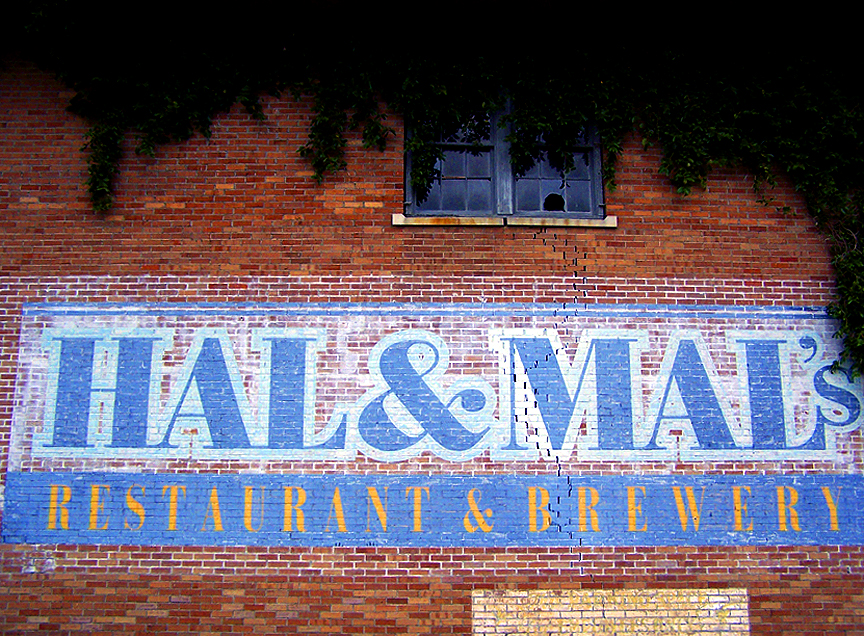
“Hal White, half of Hal & Mal’s Restaurant & Brewery, has been making soup ‘forever, or at least longer than I can remember.’ He’s developed close to 200 recipes, and makes at least a gallon and a half of soup every morning. He has the pot on the stove by 9:00 or 9:30 a.m. and it simmers until the lunch crowd comes in. Some days he just knows the restaurant will sell ‘beaucoups’ (pronounced boo-coos) soup. The vegetable soup is famous. Arguments have erupted between the customer who ordered the last bowl and the one who wished he had.
The soup is an ode to Mr. White’s forbears: ‘My granddaddy had a big garden,’ he says. It is testimony to being wise with a nickel. The chablis he uses ‘is my favorite wine for this soup. Clean and acidic. I guess I could use sauvignon blanc, but you can’t beat chablis for cheap.’ His vegetable soup also owes a debt to a bartending friend. ‘He made this great Bloody Mary mix. He taught me that nothing beats Coke for balancing the acidity of tomatoes.’”
8 tablespoons (1 stick) unsalted butter
2 celery stalks, finely chopped
1 medium onion, finely chopped
4 medium tomatoes, cored and chopped
1/2 small head green cabbage, cored and chopped
2 large Yukon gold potatoes, scrubbed and cut into 1/2 inch pieces
5 ounces white mushrooms, thinly sliced
6 cups homemade chicken broth or low-sodium store-bought chicken broth
3 cups vegetable juice, such as V8
1/2 cup Coca-Cola
1 1/2 tablespoons Worcestershire sauce
1 1/2 tablespoons seasoned salt
1 teaspoon red pepper flakes
1/2 teaspoon ground allspice
1/2 teaspoon sweet paprika
1/2 teaspoon dried basil
1/2 teaspoon dried oregano
1/2 teaspoon dried dill
2 bay leaves
2 tablespoons chopped fresh parsley
Kosher salt and freshly ground black pepper
In a large Dutch oven, melt the butter over medium heat. Add the celery and onion and cook for 6 to 8 minutes, until they are soft. Stir in the remaining ingredients and bring to a simmer over high heat. Reduce the heat to medium-low and cook for 30 to 45 minutes, until the potatoes are cooked through. Season with salt and pepper to taste, and serve.