Fettucini Alfredo

In 1914, Ines, the wife of Alfredo di Lelio, who ran a restaurant on the Via della Scrofa in Rome, was suffering from almost incessant nausea during her pregnancy with her first child. One of the few foods she was able to keep down was a dish of plain pasta, pasta in bianco, or white pasta, Alfredo made fresh and tossed with butter and grated Parmesan. Alfredo eventually added it to the restaurant’s menu, where in 1920 it was tasted by Douglas Fairbanks and Mary Pickford, who were visiting the city on their honeymoon. That day, the pasta happened to be fettuccini. They asked for the recipe, brought it home to the States, and sent a gift of a gold fork and spoon engraved with the words, “to Alfredo the King of the noodles” and their names.

Eating “Alfredo’s fettuccine” on trips to Rome became a destination for the Hollywood elite, and other tourists followed suit. Di Lilio sold the restaurant in 1943, but the new owner kept the restaurant’s name (Alfredo alla Scrofa), the menu, and the celebrity photos on the wall. In 1950, Alfredo and his son Armando opened another restaurant, Il Vero Alfredo, “the true Alfredo,” which is now managed by Alfredo’s grandchildren. Both restaurants claim to have originated the dish. Fettuccine alfredo, which in Italy is nothing more than buttered noodles with dry cheese, didn’t take off in Italy as it did in the United States, where it was popularized by another Alfredo’s opened by di Lilio and a partner near Rockefeller Center in New York City.

An American alfredo (with cream) is at best a simple reduction with a good hard grating cheese like Parmesan or Romano, prepared for individual servings to be eaten immediately. You can use almost any pasta, but you must use whole cream and freshly grated cheese (none of that stuff in the round green container, okay?) Cook the pasta beforehand, using about six to eight ounces of uncooked pasta per serving, making two cups or so cooked until just done, coated with vegetable oil and stored in a sealed container. When ready, heat your saucepan, add about three tablespoons butter (be generous), then working quickly, add a very generous handful of pasta, toss to coat with butter, then add about a half cup cream. Toss again while adding enough grated cheese to make a thick, creamy sauce. You shouldn’t need salt, just a little pepper. Serve at once.

Pepper Season

Peppers in Mississippi don’t carry the same cachet they do in parts of Louisiana and Carolina where their cultivation and consumption has become a fetish.

That’s not to say that we don’t have our share of connoisseurs here, for indeed we do, even eccentrics who will trot you out to a raised bed in their back yard in order that you might make appropriately appreciative noises over their ghosts. You’ll even find reapers and habaneros at a farmers’ market which I find more evident of their ease of culture than their demand for the table.

The staples prevail. Topmost are the thick-walled bells, best smaller than a fist, dark and tight. Country-style lunches should always include the crunch and zest of fresh sliced onion and sweet banana pepper to cut fat-stewed vegetables. Jalapenos here tend to be woody with more heat than taste, but deseeded and minced they’ll serve in a pico or pureed in a thin salsa. Poblanos should have a larger role in our kitchens, as should all the mild thin-walled capsicums. The thick-walled cherries are regrettably still a novelty.

The Mississippi pepper season begins in earnest when the thin cayennes come to market, as they did today in the form of two mesh baskets filled with spindly green pods marked to sell for a dollar each. At such a price my jaw dropped. The vendor, apologizing (!) said she’d have red ones soon, which she’s sure to mark up, but the greens are just as good if not more so, even dried. We’re finding less and less of the long cayennes now, so if you find a vendor, woo them, fawn and flatter, because cayennes will get you through the winter in the form of sauce or vinegar. Tabascos will too, and they grow well here, in my experience better than cayennes. The meatier tabascos make a better mash for red sauce, but both are equally good simply destemmed, pierced, packed into a jar with salt and filled with hot vinegar.

For two years now I’ve been growing pequinos first sent as a cropped plant from a friend in Austin. In the landscape of my mind where all sorts possibilities entertain themselves, the fiery little pequin is what I remember called a bird’s-eye pepper, not the Asian variety.  Pequinos grow at a glacial rate from seed so must be pruned and overwintered.

Basil Lemonade

Use fresh sweet basil if you can find it for that strong hint of clove it carries. Honey is an option, but if you ask me—and I know you didn’t—pure cane sugar is the best sweetener for citrus because it does not blunt the fruit’s bite nor muddle the liquid. Combine a fistful of rinsed basil—leaves, stems and blossoms, whatever you gather with blithe abandon—with about a quarter cup sugar and crush with a wooden spoon. (If you happen to have a mortar handy, of course that is what you should use instead.) Add basil and sugar along with a half cup of freshly-squeezed lemon juice to a quart of water. Stir until sugar is dissolved, strain and add more sugar to taste. Chill and serve over ice.

Prelude to Grilling Season

You can still buy the grill that brought the American male out of house and onto the patio. The Weber original kettle charcoal 18” grill sells for $89 at weber.com. You can also buy the charcoal originally made from Henry Ford’s Model T production in Edison’s plant—Kingsford—at your local supermarket, though chances are you already have a far more sophisticated grill in your garage that uses a rack of gas burners and lava/porcelain briquettes.

In either case, for most people, summer is the grilling season, and while many (me among them) consider a pan-fried steak, simply seasoned and glossy with butter in and of itself transcendent for any carnivore, grilled meats provide a platform for dozens of sauces and condiments. Here are three you should try over the summer. Perhaps you’ll find one so much to your liking that it will become part of your repertoire.

Marchand du vin is a simple wine reduction, red wine and beef stock with butter and aromatics. In a saucepan, melt a stick of butter, increase heat to medium, add a half cup each finely-minced white onion or shallots, scallions and thinly sliced mushrooms. When vegetables are cooked through, increase heat and add three tablespoons plain flour. Cook until lightly browned, add two cups good beef stock and a scant cup of red wine, Cabernet, Merlot or your choice. Flavor with thyme, bay and Worcestershire. Serve as a side for grilled meats.

Americans devour tomato ketchup in untold gallons daily, but before tomato ketchup became popular, mushroom ketchup, a holdover from colonial days, was a popular standby. This is one of my favorite sides for grilled beef, and it makes a really good spread for sandwiches as well. My standard recipe involves two pounds of mushrooms—white button, portabella, oyster, shiitake, whatever you like—stewed in enough water to cover with a cheesecloth bag of pickling spices, about two tablespoons. Puree the mushrooms with a cup of red wine vinegar and season with ground ginger, nutmeg and allspice, about a half teaspoon of each. I like to add Coleman’s mustard for kick.

Finally, here is another favorite with ancho chilies. Soak a half dozen ancho chilis in warm water until soft. Remove the chilies (reserving the water), take off stems, chop coarsely and set aside. Sauté in vegetable oil one large chopped onion with four minced cloves garlic. Add a small can tomato sauce and a quarter cup or so of red wine vinegar. Let this mixture cool and place with chilies and puree until smooth. Place back on the heat, season with a tablespoon fresh ground cumin, Mexican oregano and cayenne to taste. A sweetener of some form is optional. Reduce to the desired thickness. You can serve this warm or cool.

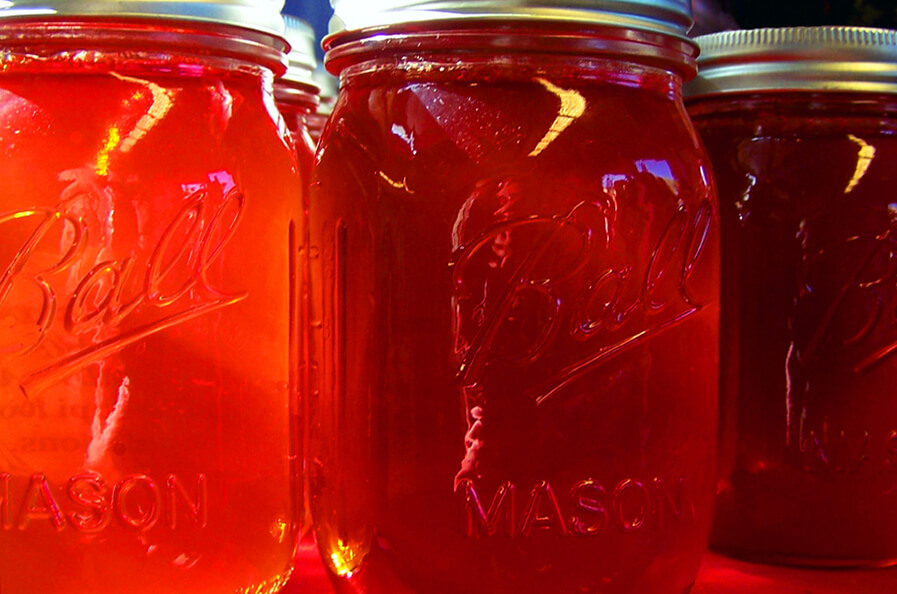
Oven Anchos

Wipe clean, slit lengthways and place on a cookie sheet with lightly oiled parchment paper in the oven at its lowest setting. Bear in mind you do not want the peppers fragile; you’re looking for a leathery texture such that will reconstitute with in stewed beef or pork. These peppers took four hours with two turns.